
King George VI Chase Prize Money Breakdown
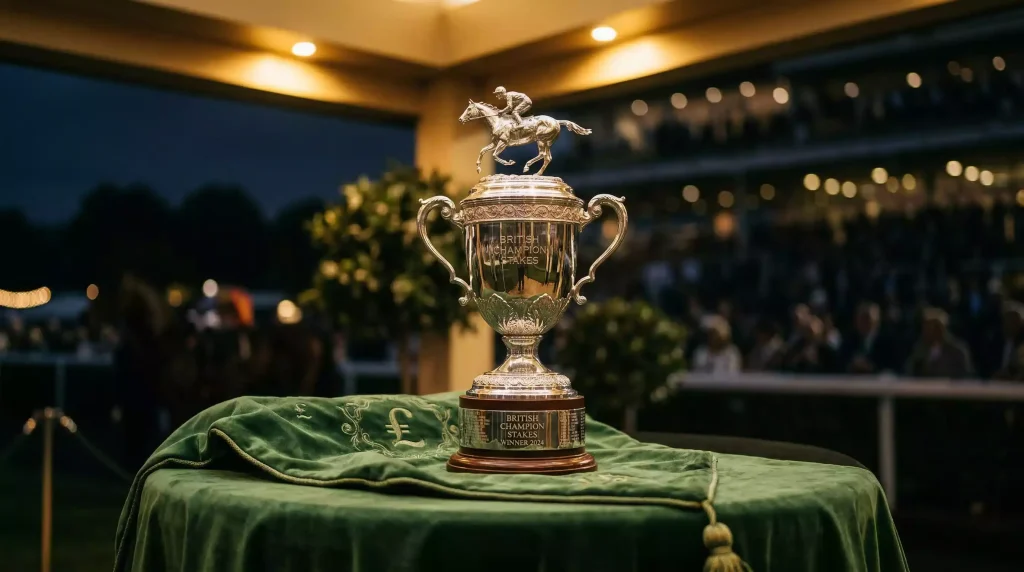
What’s at Stake
The King George VI Chase carries prize money befitting its status as one of British racing’s premier events. Grade 1 designation guarantees a purse that attracts the best staying chasers in training. For owners, trainers, and jockeys, Boxing Day success means significant financial reward alongside sporting prestige.
Prize money in National Hunt racing reflects a complex funding ecosystem. The Horserace Betting Levy Board contributes substantially; racecourse revenues add more; sponsorship supplements both. Understanding where the money comes from—and where it goes—illuminates how professional racing operates beneath the surface drama.
Following the money reveals different motivations across connections. Owners chase returns on substantial investments in bloodstock and training fees. Trainers earn percentages that fund staff salaries and facility maintenance. Jockeys secure riding fees plus percentages that reward Boxing Day excellence. Each party views the same prize fund through different lenses.
Total Prize Fund
The King George VI Chase carries a total prize fund of £260,050 for the 2026 and 2026 renewals. This figure places the race among the richest National Hunt events in Britain, though below the Cheltenham Gold Cup and Grand National’s headline purses.
The £260,050 total represents money available for distribution across all placed finishers, not a winner-takes-all structure. The fund’s size reflects the race’s importance to the National Hunt calendar—sufficient to attract international challengers while remaining economically sustainable for organisers.
Levy funding contributes substantially to this purse. The Horserace Betting Levy Board directed £72.7 million toward British prize money in 2026, an increase of £2.2 million from the previous year. Major races like the King George receive proportionate allocation from this pool, ensuring Grade 1 events maintain purses that justify their status.
Sponsorship supplements the base fund in some years. Commercial partners occasionally add bonuses for specific achievements—fastest time, widest winning margin—though the core £260,050 remains guaranteed regardless of sponsorship fluctuations. This stability allows connections to plan campaigns knowing the reward structure in advance.
The prize fund hasn’t increased dramatically in recent years despite inflation. Economic pressures on racing—declining betting turnover, regulatory changes, competition for leisure spending—constrain growth that might otherwise elevate the King George toward £300,000 or beyond. The current purse reflects sustainable generosity rather than aspirational expansion.
Winner’s Share
The King George winner receives £148,098 from the total purse—approximately 57% of available prize money. This weighting toward the winner reflects racing’s fundamental structure: finishing first matters disproportionately. The steep gradient from first to second place ensures genuine competition rather than strategic placing.
The £148,098 gross figure doesn’t reach the owner intact. Trainer and jockey percentages, stable staff bonuses, and various fees reduce the net figure significantly. Still, even after deductions, the owner receives meaningful return—potentially enough to offset a season’s training costs for a single Boxing Day triumph.
For trainers, the winner’s share represents both immediate income and reputational currency. A trainer taking 10% receives approximately £14,800—welcome revenue, but the King George winner’s bragging rights generate future business worth considerably more. Owners notice which trainers win at Kempton; the prestige converts to new clients.
The winning jockey’s percentage typically runs 8-10% depending on riding arrangements. On £148,098, that yields £11,800-£14,800 before tax—significant reward for a day’s work, though top jockeys ride enough winners that no single victory transforms their annual earnings. The Championship Table implications often matter more than individual prize money.
Stable staff customarily receive bonuses from winning owners, informal recognition that trainers distribute from their share. These payments vary by yard tradition and owner generosity, but Boxing Day winners typically mean Christmas bonuses for those who prepare the horse daily.
Place Money Distribution
Second place receives approximately £56,160—roughly 38% of the winner’s share. The drop-off is substantial but the absolute figure remains significant. Connections of the runner-up collect genuine prize money rather than symbolic consolation.
Third place takes home around £28,080, continuing the geometric decline. Fourth and fifth place shares diminish further, though exact figures vary slightly by renewal depending on field size and specific fund allocation rules. The guaranteed prize money extends to fifth place in most King George renewals.
This distribution structure influences race tactics. A horse with no realistic winning chance might still target the places—£28,000 for third justifies travel and entry costs that winning nothing wouldn’t. Trainers sometimes run horses against superior opposition specifically because place money makes the exercise profitable.
For bettors, the prize money distribution affects market behaviour. Owners seeking to recoup entry costs might instruct jockeys to ensure place finishes rather than gamble for first. This creates each-way value on certain runners—horses whose connections would happily accept third when fourth pays meaningfully less.
The places structure also explains why field sizes matter commercially. A twelve-runner King George distributes prize money more widely than an eight-runner edition, creating more satisfied connections willing to return next year. Racing’s economic sustainability depends partly on enough horses winning enough money to justify continued participation.
How Connections Split the Earnings
The owner nominally receives prize money, but contractual arrangements distribute it among connections. Understanding these splits reveals the racing industry’s economic relationships.
Trainers typically receive 10% of prize money as standard industry practice. On a £148,098 King George win, that means approximately £14,800 directly from the prize fund. Additional training fees—monthly charges covering keep, staff, veterinary care—continue regardless of racing success, making prize money a supplement rather than primary income.
Jockeys negotiate riding percentages individually, typically receiving 8-10% of winnings. Retained jockeys might have different arrangements than freelancers. For a King George winner, 8% yields £11,840; 10% yields £14,800. Travel expenses usually add to this base, particularly for jockeys coming from Ireland.
Stable staff receive bonuses at owner discretion. Good yards ensure that grooms, work riders, and administrative staff share in success. The amounts vary—£500 might be typical for major race wins, though wealthy owners sometimes distribute more generously. These payments acknowledge that horses reach Boxing Day through daily care rather than occasional training sessions.
Owners themselves—after trainer, jockey, and staff shares—retain perhaps 70-75% of gross prize money. On a £148,098 win, that might mean £100,000-£110,000 net. Against training costs of £25,000-£40,000 annually for a quality chaser, plus purchase price, veterinary bills, and transport, even King George success doesn’t guarantee profit. Most owners race for sport rather than investment returns.
Historical Prize Money Trends
King George prize money has grown inconsistently over decades. The race’s value increased substantially during the 1990s and 2000s when betting revenues flourished and Levy contributions rose. More recent years have seen stagnation as economic pressures constrain growth.
The £260,000 level represents stabilisation rather than advancement. A decade ago, optimistic projections imagined the King George reaching £350,000 or higher by 2026. Those projections assumed betting turnover would continue rising; instead, turnover has fallen 16.5% over two years according to BHA figures.
Regulatory changes compound the financial pressure. As MP Nick Timothy noted: “These statistics show exactly why so many are worrying about the effects of disproportionate affordability checks on horseracing.” Affordability checks that limit high-stakes betting reduce the revenue base that ultimately funds prize money—a connection from individual betting restrictions to Boxing Day purses that few casual observers appreciate.
International comparison highlights British racing’s relative position. Australian and French equivalents often carry larger purses; Irish racing punches above its weight given national size. The King George’s £260,000 reflects British racing’s current economics rather than what the race’s prestige might otherwise command.
Future trends depend on regulatory outcomes, betting technology evolution, and racing’s ability to attract new revenue streams. Prize money growth is not guaranteed; maintaining current levels may prove challenging if betting turnover continues declining. The King George’s value will reflect industry health more broadly.
Comparison to Other Grade 1 Races
The Cheltenham Gold Cup carries higher prize money than the King George—typically around £350,000-£400,000 in recent years. The Festival’s commercial power, television rights income, and larger attendance translate into superior purses. The Gold Cup’s prestige slightly exceeds the King George’s despite both being Grade 1 staying chases.
The Grand National operates differently as a handicap rather than weight-for-age contest, but its £1 million purse dwarfs all British jump races. The National’s unique public profile—watched by millions who ignore racing otherwise—generates sponsorship and media revenue beyond other events. Comparing King George money to National money misses structural differences.
Within Kempton’s own programme, the King George dominates Boxing Day prize money. The supporting Grade 1 races—Christmas Hurdle, Kauto Star Novices’ Chase—carry significantly smaller purses. The card’s financial structure concentrates resources on the headline attraction.
Irish equivalents offer useful comparison. The Savills Chase at Leopardstown—run two days after the King George—carries similar prestige but different economics. Irish prize money has grown faster than British in recent years, reflecting betting market dynamics and government support differences. The King George remains the more famous race; the Leopardstown alternative increasingly rivals it financially.
The King George’s £260,000 positions it as a major race without quite reaching elite financial status. Connections participate for prestige as much as purse—the money matters, but Boxing Day glory at Kempton carries value beyond crude economics.