
King George Jockey Statistics
The Importance of the Pilot
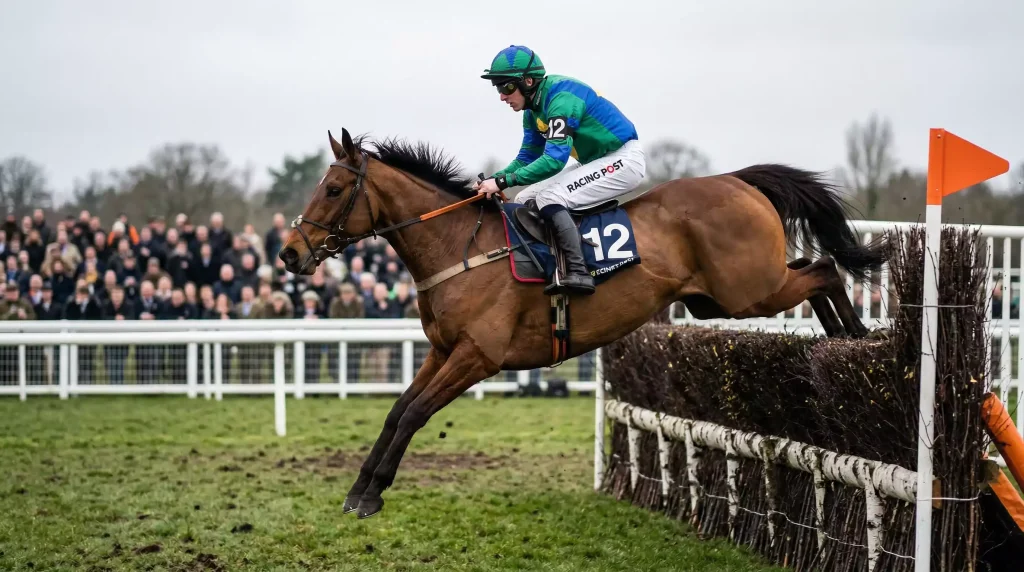
National Hunt racing demands more from jockeys than flat racing does. Three miles over eighteen fences at Kempton requires tactical awareness, jumping technique, and physical stamina that test riders as severely as horses. The hands that steer champions determine whether ability translates into victory.
King George jockey statistics reveal patterns worth incorporating into betting analysis. Some riders excel at Kempton specifically; others bring general excellence that transcends venue. Understanding who performs at the track—and who merely participates—adds an analytical dimension that pure horse form ignores.
The relationship between jockey and horse matters particularly over demanding trips. A rider who understands his mount’s quirks—when to push, when to wait, how to present at fences—extracts performance that less attuned partnerships miss. King George winners typically feature established combinations rather than opportunistic bookings.
All-Time Leading Riders
Ruby Walsh holds the record as King George’s most successful jockey with five victories—all aboard Kauto Star between 2006 and 2011. Walsh’s record at Kempton reflects both exceptional horsepower and exceptional riding—he extracted maximum performance from a horse capable of delivering it repeatedly.
Walsh’s King George rides demonstrated tactical mastery. He understood Kempton’s rhythm, positioned Kauto Star to travel economically through the middle stages, and timed challenges to coincide with the final turn. The partnership became synonymous with Boxing Day excellence, their five victories unmatched by any other jockey-horse combination.
Earlier generations produced their own Kempton specialists. Jockeys who rode multiple King George winners built reputations at the track across careers spanning decades. The race’s importance attracted top riders to top horses; winners emerged from these combinations predictably.
The record book shows clustering around dominant horse-jockey partnerships. Desert Orchid-Richard Dunwoody, Kauto Star-Ruby Walsh, Long Run-Sam Waley-Cohen—these combinations won repeatedly rather than scattering victories across different riders. Richard Dunwoody won four King Georges on Desert Orchid and One Man. Finding the next dominant partnership offers betting insight for punters willing to project forward.
Historical leaders retired but their records remain benchmarks. Current riders chase victory totals that Walsh accumulated; few seem likely to match him without finding a Kauto Star equivalent. The record stands partly as testament to Walsh’s skill, partly as reminder that exceptional horses make exceptional jockeys look even better.
Jockey longevity affects career statistics differently than horse achievements. A rider winning one King George at age 25 has forty years of potential additions; one winning at 45 has limited opportunities remaining. Interpreting historical records requires understanding career stages as much as raw numbers.
Current Generation
Harry Cobden emerges as the leading King George jockey of the current generation, riding for Paul Nicholls with access to the yard’s best staying chasers. His Kempton record—developed across multiple seasons of Nicholls runners—establishes him as a course specialist with Grade 1 credentials.
Cobden’s partnership with Nicholls replicates earlier stable jockey arrangements that dominated the King George. Access to quality horses creates opportunities; converting those opportunities into victories builds reputation and attracts further opportunities. The cycle benefits riders who secure top-yard positions.
Nico de Boinville represents Henderson’s King George interests, riding Seven Barrows runners with tactical intelligence that suits Kempton’s demands. De Boinville’s general strike rate ranks among British racing’s best; his Kempton performances reflect that broader excellence.
Paul Townend travels from Ireland when Mullins sends King George raiders. As Closutton’s retained rider, Townend partners the best Irish chasers at British Grade 1s. His Kempton record remains modest compared to domestic specialists—reflecting Mullins’ limited King George success rather than Townend’s limitations.
Younger jockeys emerge annually as potential King George winners. Those securing rides on progressive chasers might collect Boxing Day victories early in careers that could produce multiple wins. Identifying rising talents on rising horses creates betting opportunities before markets adjust.
The generational transition from Walsh-era dominance continues. Current leaders haven’t matched his King George record; future leaders might build towards it. The race remains open to whoever arrives with the best horse and the skill to execute on Boxing Day.
Kempton Course Specialists
Course-specific strike rates matter more than overall statistics for King George assessment. A jockey winning 18% nationally but 25% at Kempton brings track-specific edge that general numbers obscure. Kempton’s configuration—flat, right-handed, triangular—rewards particular riding styles.
The track’s layout favours jockeys who position well into the home turn. Kempton’s short run-in means the final fence approach largely determines finishing positions. Riders who understand this positioning—who ensure their mounts turn in with momentum rather than chasing—convert opportunities that others squander.
Jumping technique matters consistently across Kempton’s eighteen fences. A jockey who helps horses meet fences correctly saves lengths that accumulate race-long. Some riders excel at presenting horses at obstacles; their mounts jump fluently while others make errors. The King George’s jumping demands expose technical deficiencies.
Historical Kempton specialists often rode there frequently in lesser races, building familiarity before contesting the King George. Riders who’ve won handicaps at the track understand its peculiarities; applying that knowledge to Grade 1 competition leverages experience against opponents learning on the day.
Checking jockey Kempton records before King George betting takes minutes and occasionally reveals overlooked angles. A runner whose jockey wins 30% at the track—versus 20% elsewhere—might offer better value than form alone suggests. Track specialist status adds edge that compounds other positive factors.
Jockey-Trainer Combinations
Stable jockey arrangements create partnerships that dominate King George betting. Nicholls-Cobden, Henderson-de Boinville, Mullins-Townend—these combinations represent yards where the best horses go to retained riders. Betting on the combination implicitly bets on stable quality.
Partnership familiarity adds value beyond individual excellence. A jockey who rides the same horse in morning work, schooling sessions, and prep races understands that horse’s preferences intimately. The King George rewards this knowledge; horses running to orders set months earlier perform better than those receiving unfamiliar instructions.
When retained riders switch mounts between stable entries, the decision signals internal assessment. If Cobden chooses Horse A over Horse B—both Nicholls-trained—the selection reflects information unavailable to external observers. Jockey choices often telegraph trainer expectations more reliably than public statements.
Freelance jockeys picking up King George rides face different dynamics. They lack partnership history; they might also lack tactical baggage. A fresh perspective sometimes helps horses who’d underperformed for regular partners. Late jockey changes warrant attention—they introduce variables either way.
For betting purposes, established combinations deserve default support. A proven partnership attempting the King George has demonstrated previous success together; an improvised booking carries inherent uncertainty. The market typically reflects partnership value, but occasionally underprices continuity or overprices novelty.
Betting Angle: Jockey Form
Jockey form entering Boxing Day provides one betting angle among many. A rider arriving confident—winners in preceding weeks, smooth rides on the intended mount—brings positive momentum. One struggling through a losing streak might carry psychological weight that affects big-race performance.
However, jockey form matters less than horse form in National Hunt racing. The best horse typically wins regardless of jockey; the best jockey rarely wins on inferior horses. Weight your analysis accordingly—jockey statistics supplement horse assessment rather than replacing it.
Specific situations amplify jockey importance. When three horses of similar ability contest the King George, jockey quality might determine places. When one horse clearly outclasses the field, jockey matters less—execution would need catastrophic failure to cost victory.
Recent Kempton rides by the prospective King George jockey offer useful data. How did they handle the track in autumn? Did they position well? Jump fluently? Finish with appropriate urgency? Form from the same venue transfers more reliably than form from different tracks.
Betting purely on jockeys—backing a rider regardless of mount—rarely profits. Betting on horses while incorporating jockey analysis occasionally finds value that pure form ignores. The hands that steer champions matter; they matter within a framework where horse quality dominates but doesn’t monopolise outcomes.
For the King George specifically, jockey records at Kempton deserve more weight than career statistics. Three miles around this particular track tests specific skills; who’s demonstrated those skills previously?